Alan Raw is an environmental sound-artist, multi-media creative practitioner, author, curator and maker whose practice emerges from sustained immersion in the signal environments of specific places.
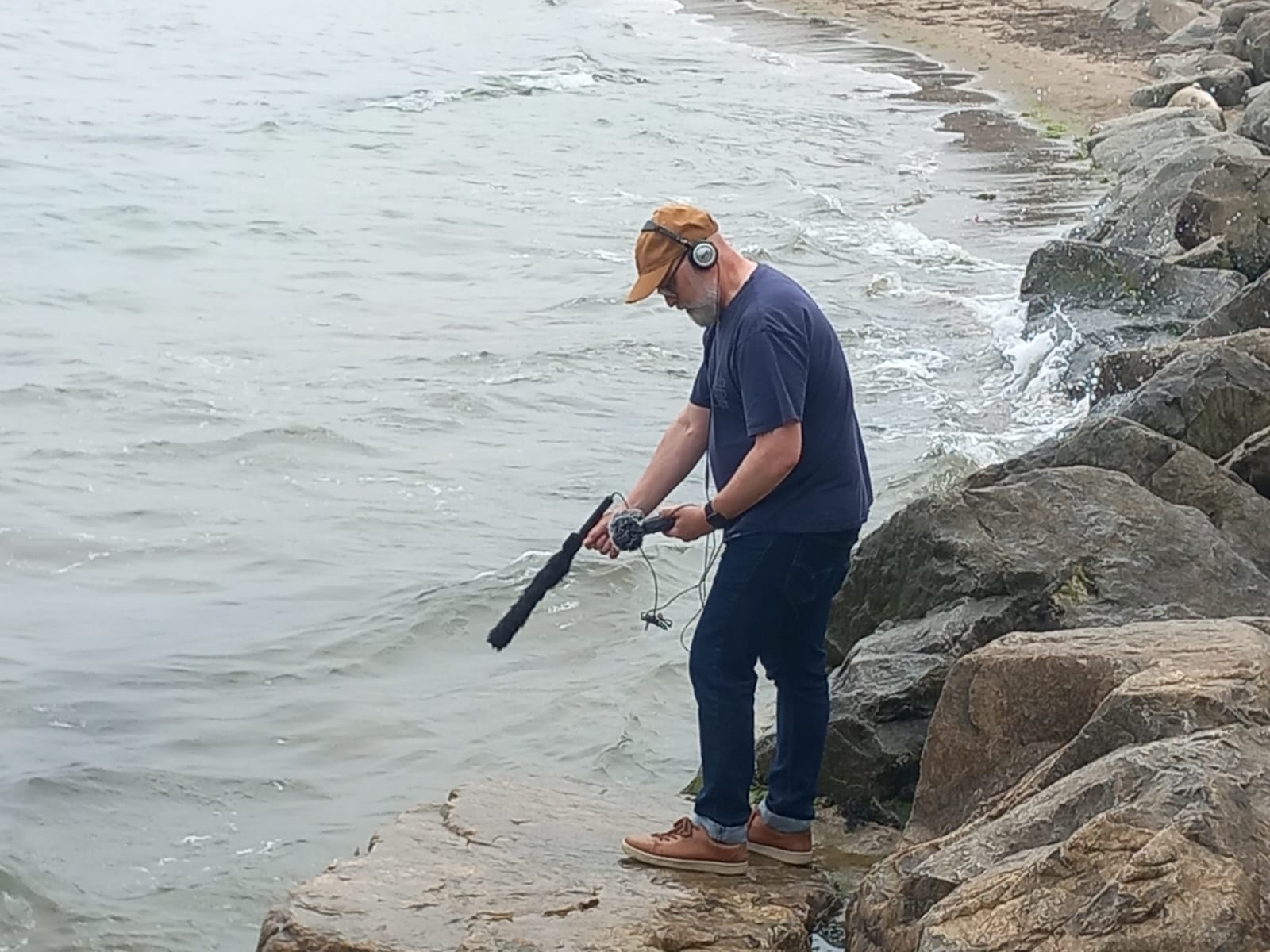
Working across the coastlines of Britain and northern Europe, including the Yorkshire coast, Scandinavia, the Humber Estuary, and places where people live with water: Leeuwarden, Robin Hood’s Bay, Venice, Rotterdam, or Whitby, Raw records the full sensory range of each location: its acoustic life through field recordings made from clifftop paths, tidal slipways and his canoe in harbour shallows; its electromagnetic presence through radio from the ionosphere and the airwaves that cross it; and its cultural ambience: the amusement arcade, the fishing village chatter, the evening chorus of Midwife Toads beside park ponds. He identifies species and records radiation, topography, temperature, soil moisture or Earth observation data, all of which inform the work.
These recordings are processed through RAW SAS-1 (Sound Art Studio), a custom synthesis environment coded by Raw himself, producing works for spatial audio installations, gallery presentation and live performance.
This practice does not stay in one place. Raw has worked across eleven countries in the past year. New work is currently being developed for presentation in Whitby, where several of the recent recordings were made.
Raw’s practice sits within a tradition founded by Luigi Russolo, whose 1913 manifesto The Art of Noises first proposed that environmental and industrial sound was a legitimate artistic material; developed by Pierre Schaeffer, who built Musique Concrète from recorded real-world sounds in 1940s Paris; named and mapped by R. Murray Schafer, who coined the term soundscape and founded the World Soundscape Project in the 1960s; and extended into ecological science by Bernie Krause, whose fifty-year archive of the world’s biophony, geophony and anthropophony established soundscape ecology as a discipline. Raw brings to this lineage a fourth register, one Krause’s framework does not account for: the electromagnetic environment, recorded through HAM radio and woven into the same compositional process as the acoustic material.
Visual Practice
Alongside the sound work, Raw maintains a parallel visual record of each location: field sketches of coastal plants and structures made on site, photographic collages assembled from textures, stone, cobble, driftwood, lobster pots, fossils, seaweed, a fisherman’s jumper, or objects collected from the same ground the microphone has recorded. These materials are not illustration; they are a second form of witness, brought into dialogue with the sound in installation contexts. Raw has curated 120 exhibitions internationally, including at European Capitals of Culture in Aarhus, San Sebastián, Hull, and Paphos, all coastal cities.
Writing is a third register of the same attention. Raw’s climate fiction novel Salt & Seeds, rooted in the landscapes and ecological pressures of the North Sea Basin, extends the same enquiry through climate fiction and solarpunk storytelling. The novel’s locations are confirmed in the field on the same walks that produce the recordings, and developed through action research.
Methods & Instruments
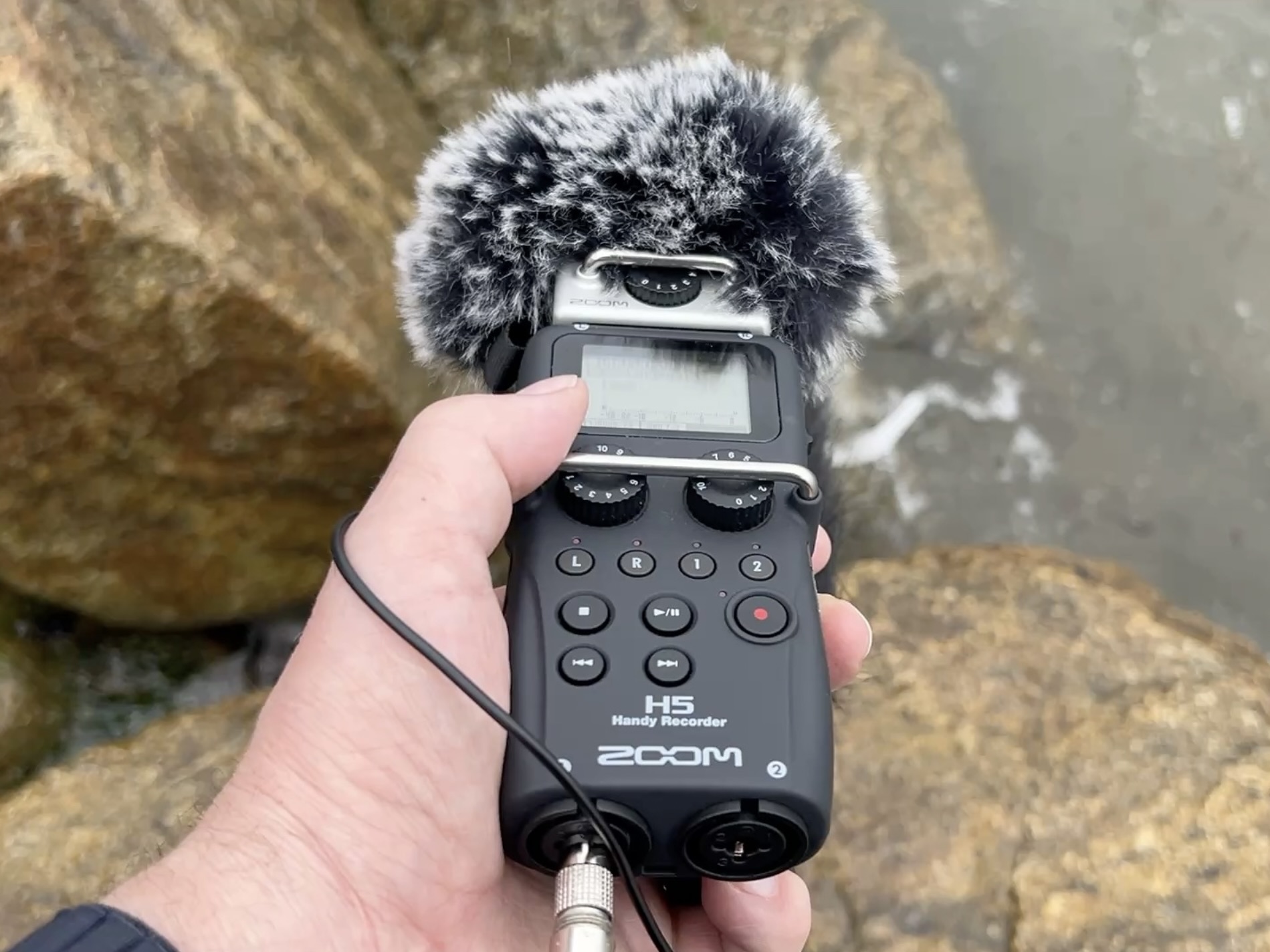
- Zoom H5 field recorder for work from canoe, clifftop, shoreline and street.
- HAM radio for capturing the electromagnetic environment: ionospheric signal, atmospheric noise, shortwave transmission.
- Microphones and hydrophones for simultaneous above and below-water capture.
- Variable-speed cassette recorders for time-stretched transformation of field material.
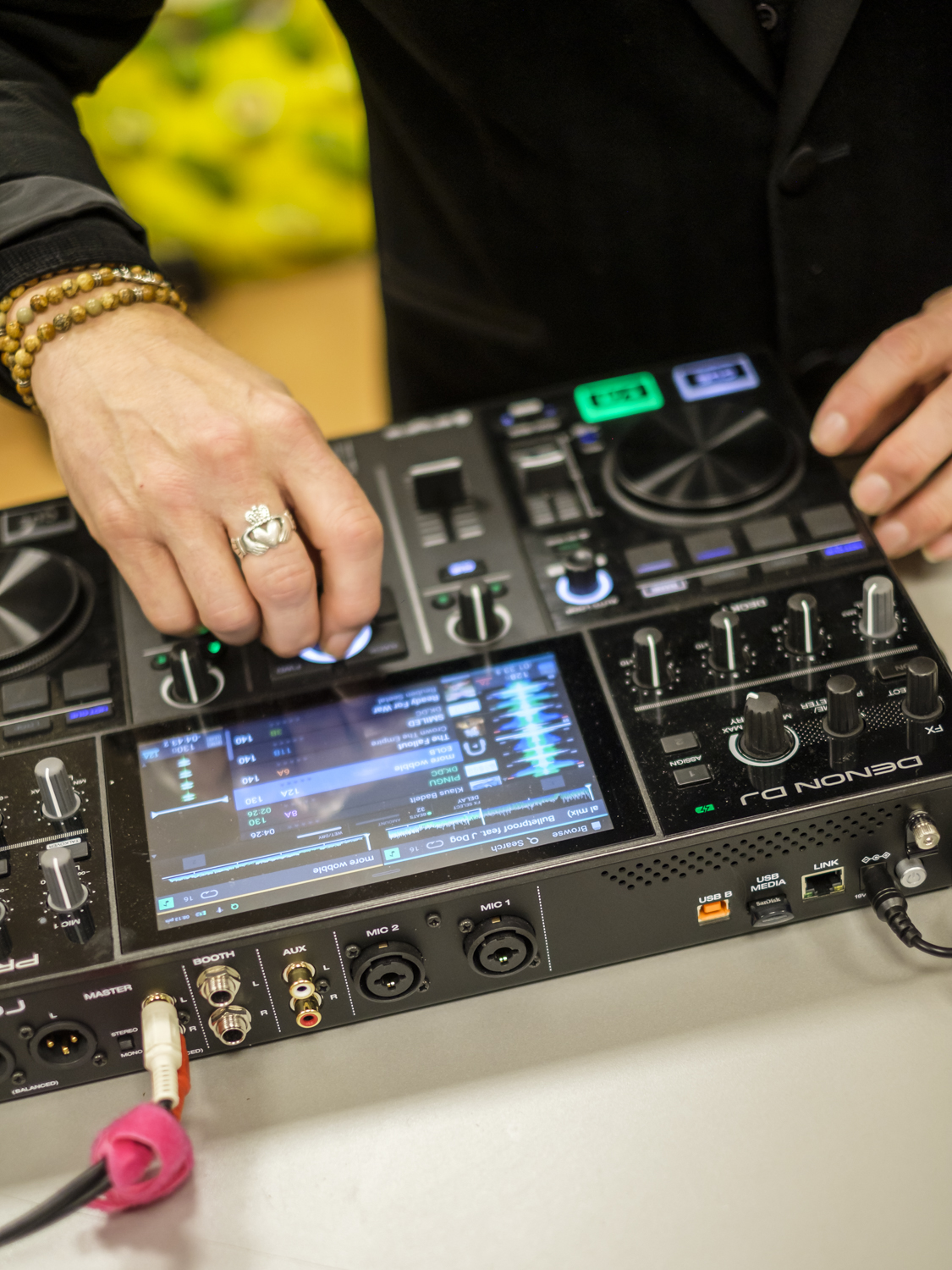
- RAW SAS-1 (Sound Art Studio), a custom-coded synthesis and sound design environment built for gallery installation and live performance.
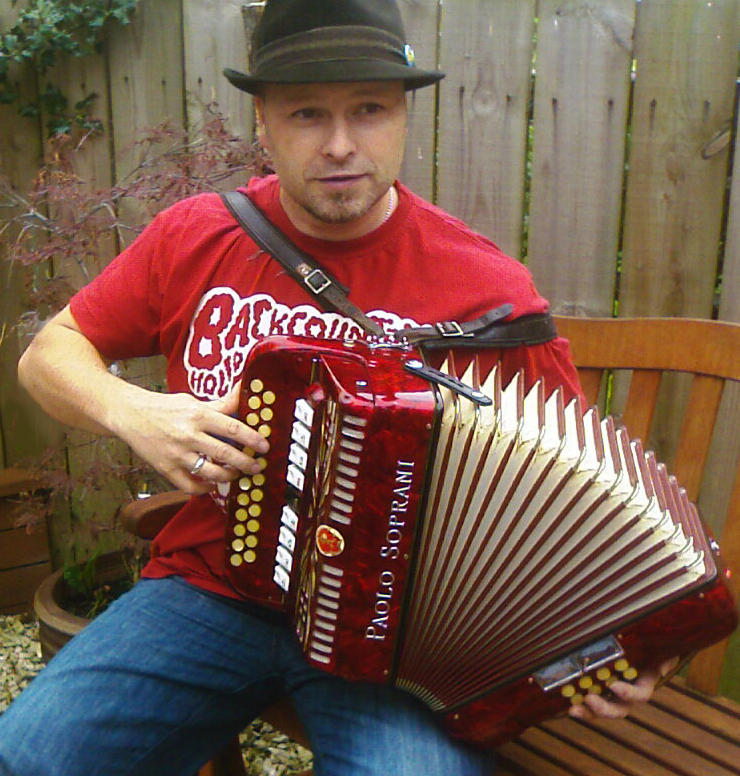
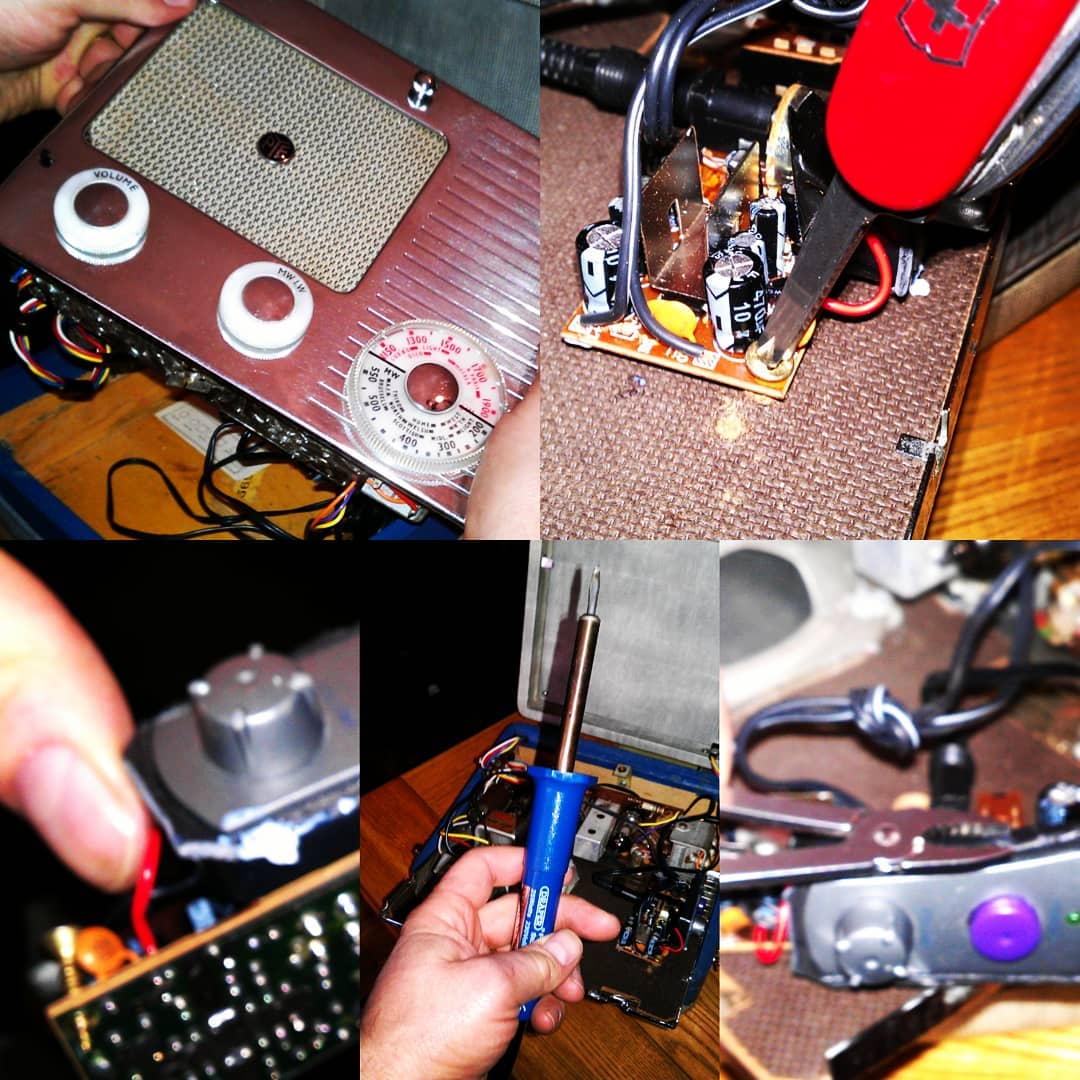
- Musical instruments from button accordion to homemade circuit-bent electronic sound generators created from found objects.
Raw holds an honorary doctorate from the University of Hull for Sustainability and Creative Practice, and is currently completing an MA in Creative Practice with Plymouth Marjon University.
Background: Origins
Raw arrived at environmental sound art through an unusual route, running through disability arts, circuit-bending, Indonesian gamelan, Irish folk, and more than two decades in BBC broadcasting. That history shapes the practice: RAW SAS-1 (Sound Art Studio) is built by someone who has always understood instruments as things to be disassembled and reimagined.
Sound has been a thread running through everything: circuit bending, sound curation and design, sound art and engineering, music and performance.
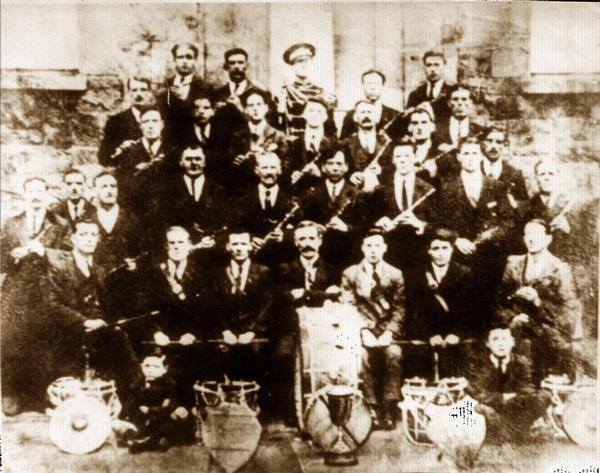
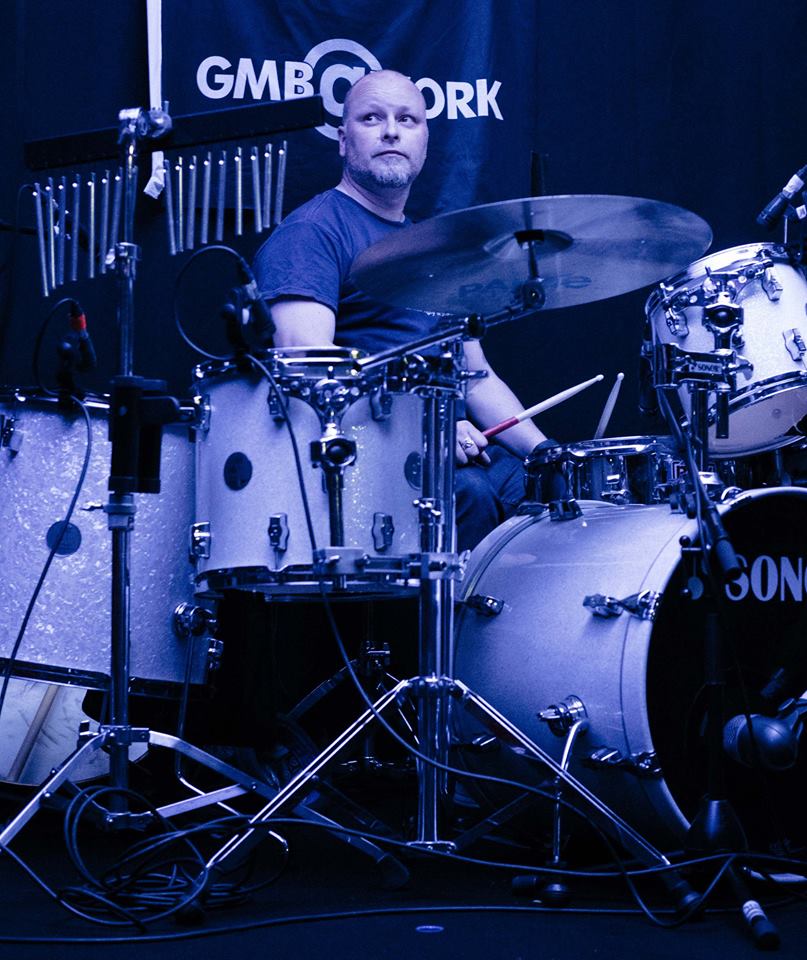
It started early. Raw’s great-grandfather was a military drum maker who won the Irish Championships; his drums are on display in Limerick Town Hall Museum. His father led the family Ceilidh band, and Raw started on bodhrán as a child, busking at folk festivals until saving enough for a first drum kit. Rhythm, in that world, was a community function, something done together, not at people. In the 1980s, after a serious left-hand injury, Raw began exploring drum machines and DJing.
Breaking Instruments to Understand Them
In the early 1990s, working in disability arts as part of the youth and community work that led to co-founding The Creative & Cultural Organisation in 1993, Raw began asking: how do you give someone access to music if conventional instruments are physically out of reach?
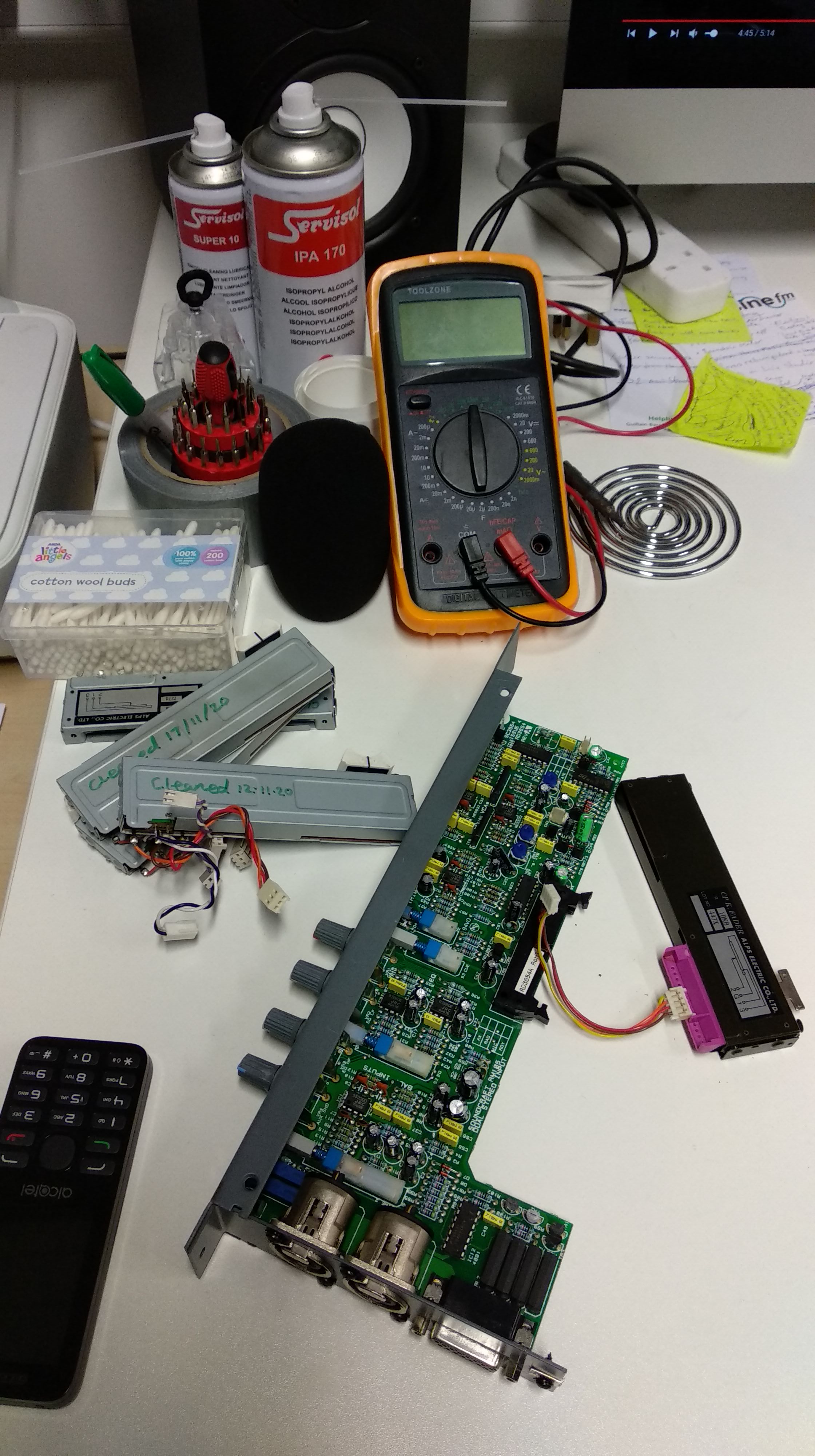
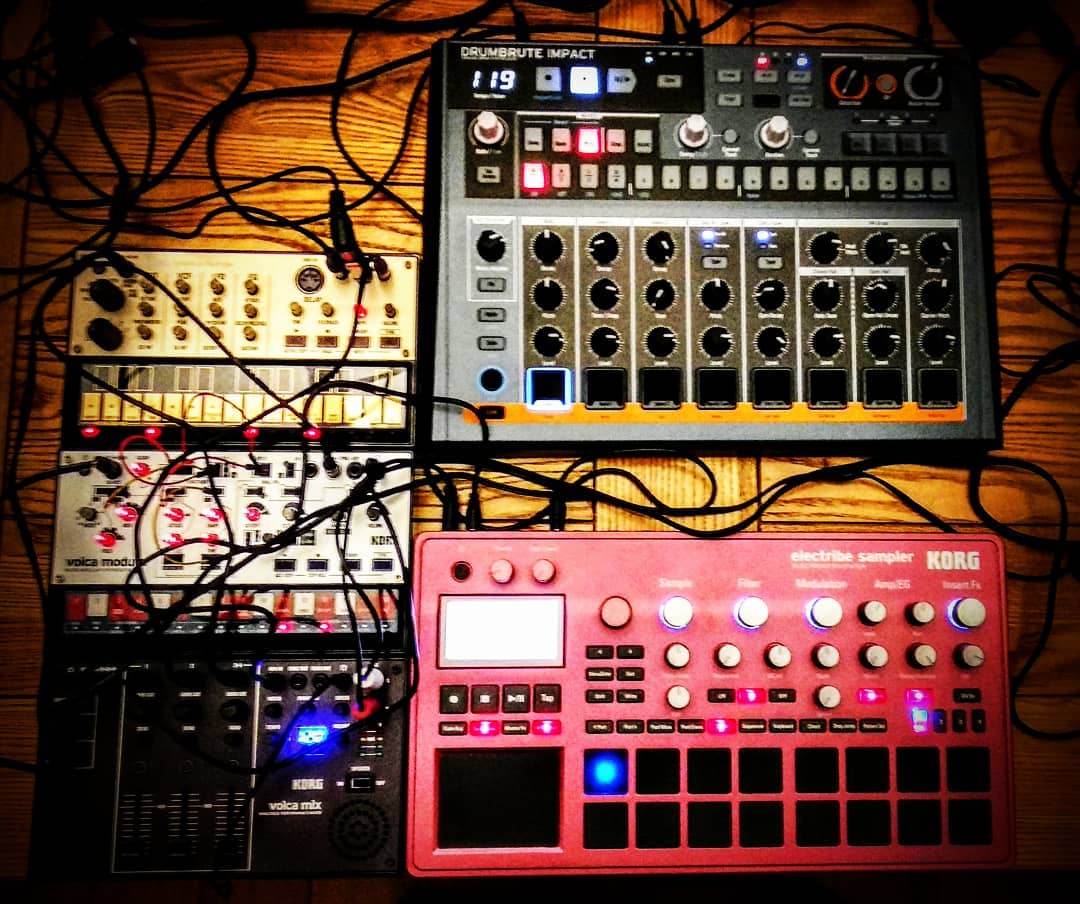
Part of the answer was Soundbeam, an ultrasonic system that translated body movement into MIDI signals. Raw demonstrated it for Hull Music Service and worked with the technology in community settings. This led to circuit bending: modifying existing electronics to produce sounds they were not designed to make. Raw was doing this before the practice had a name, partly out of artistic curiosity and partly out of necessity, as his own hand injury meant conventional equipment had to be adapted.
The clearest demonstration came at a disability arts conference at Albemarle Music Centre in Hull. Raw brought a children’s musical play mat, dismantled it in front of the room, and showed the two wires that make contact when a child’s weight closes the foam gap. That is a trigger. Nothing more complicated than that. He desoldered the wires, fitted jack plugs, and patched them into an 80s synthesiser sound module running through a PA. Then played the play mat as an instrument. The point was not to entertain, but to educate. Once you understand what a trigger is, anything that makes a connection can become an instrument. The gap between a children’s toy and a professional synthesiser is a length of wire and a bit of knowledge that should belong to everyone, especially to people who have been told conventional instruments are not for them.
The Session Years
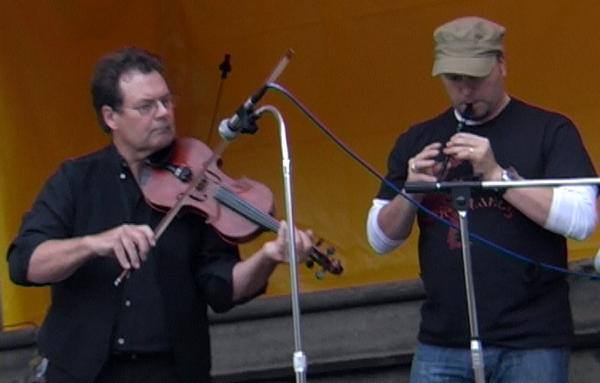
From the late 1990s, Raw’s music went in multiple directions at once: session musician endorsed by JHS, Dream Cymbals and Regal Tip; featured in Gear Magazine, Music Week and The New Statesman; Drum Teacher of the Year; Chair of the World Drumming Network. He played in West Africa with Roots Manding, collaborated with Benjamin Zephaniah on a dub album and a headline gig in Slovenia, and performed chart-topping country, electro hip hop, and world dance fusion with Celtarabia and Back to Bass. He received a Universal Zulu Nation Wisdom Award for services to hip hop, and an Outstanding Contribution to Music Award. John Peel profiled Raw on Channel 4. Geoff Nicholls wrote in Banging On: “Alan has developed the ability to play at wrist-breaking speeds.”
The circuit-bent electric percussion built for disability arts work did not stay in community settings. Raw integrated it into his acoustic drum kit, wiring triggers, pads and modified electronics into the existing hardware, and took it on the road. In 1997, he performed on the Avalon Stage at Glastonbury with that integrated kit.
Hull Sea Dragon Gamelan
A gamelan is a percussion orchestra from Indonesia: tuned bronze gongs, metallophones and drums played in ensemble, tonally unlike almost anything in Western music. Following a visit to Indonesia, Raw was invited to work on the Hull Sea Dragon project in partnership with Albemarle Music Centre. The centre commissioned a gamelan instrument; while waiting for it to arrive, the group travelled to Manchester Camerata to learn to play. They performed publicly in several locations and ran community workshops open to anyone.
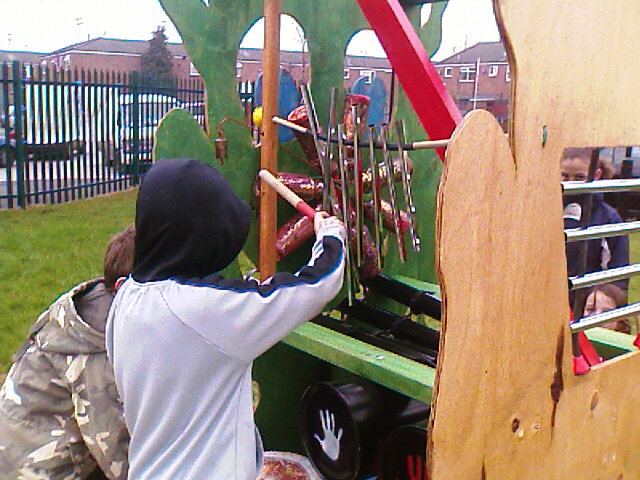
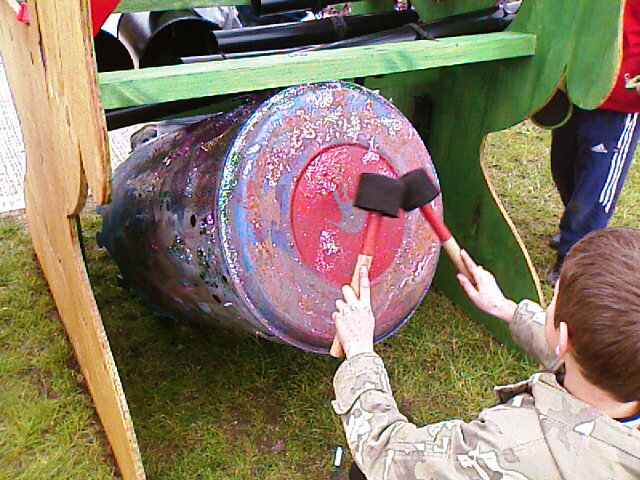
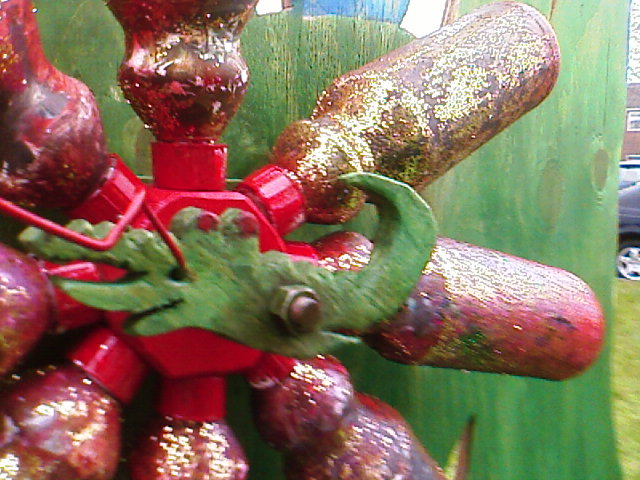
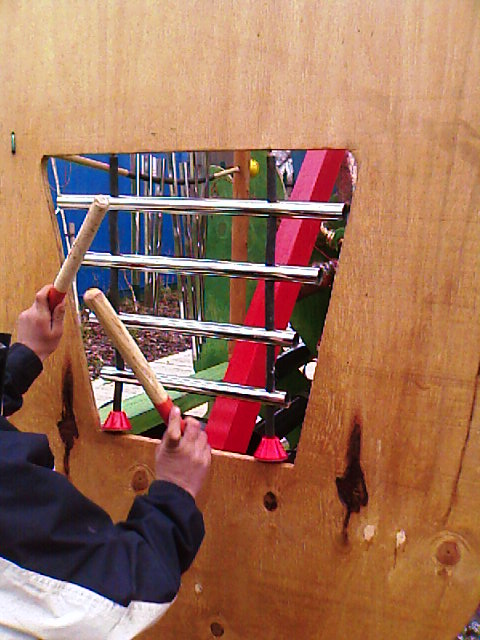
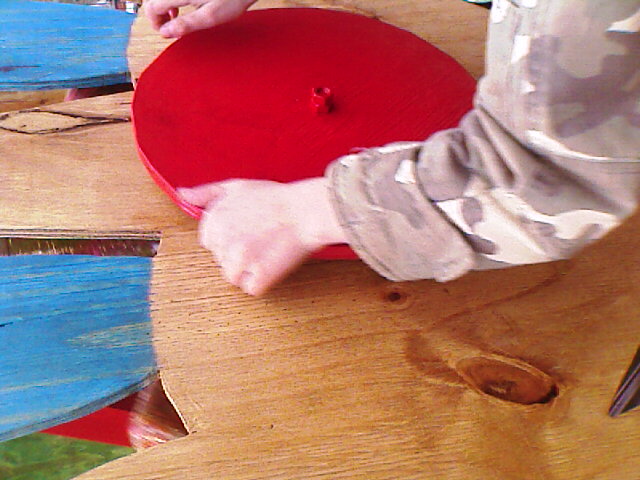
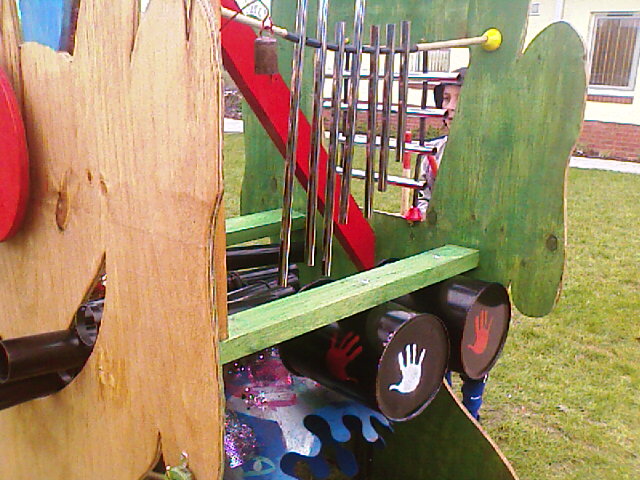
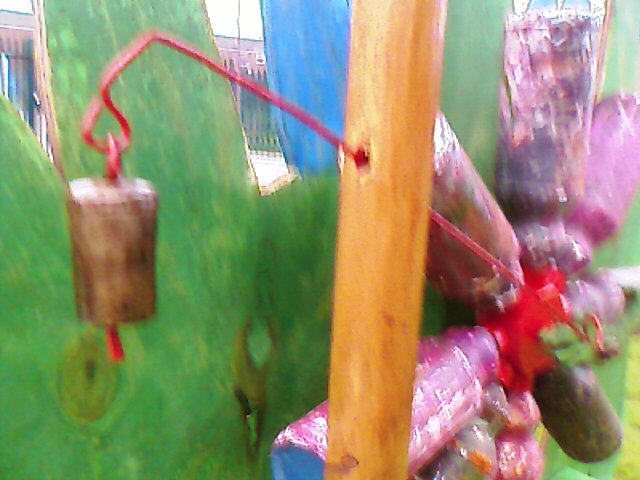
Raw also built a gamelan-inspired sculpture from beachcombed materials for a city centre children’s unit: a head-shaped outdoor structure with bells, a cam system and percussion elements children could play freely. A desire to learn music from other cultures has been a constant throughout the practice, feeding into fair-trade music projects and performances across many countries.
For 30 years, across 120 exhibitions in 34 disused retail spaces, Raw curated sound alongside visual work, chosen and commissioned with the same intention as the visual art.
One of the clearest examples is the I Am Impact exhibition by South African climate artist and photographer Khandiz Joni, curated at HIP Gallery during Humber Eco Fest. The photographs addressed climate change; the production was sustainable: hemp paper, reused frames, a pop-up gallery in a disused shop. A volunteer sound artist from the Creative & Cultural community used the organisation’s studio to compose music responding directly to Joni’s photographs. Sound and image in dialogue, built with what was available, and all funded and curated by Raw.
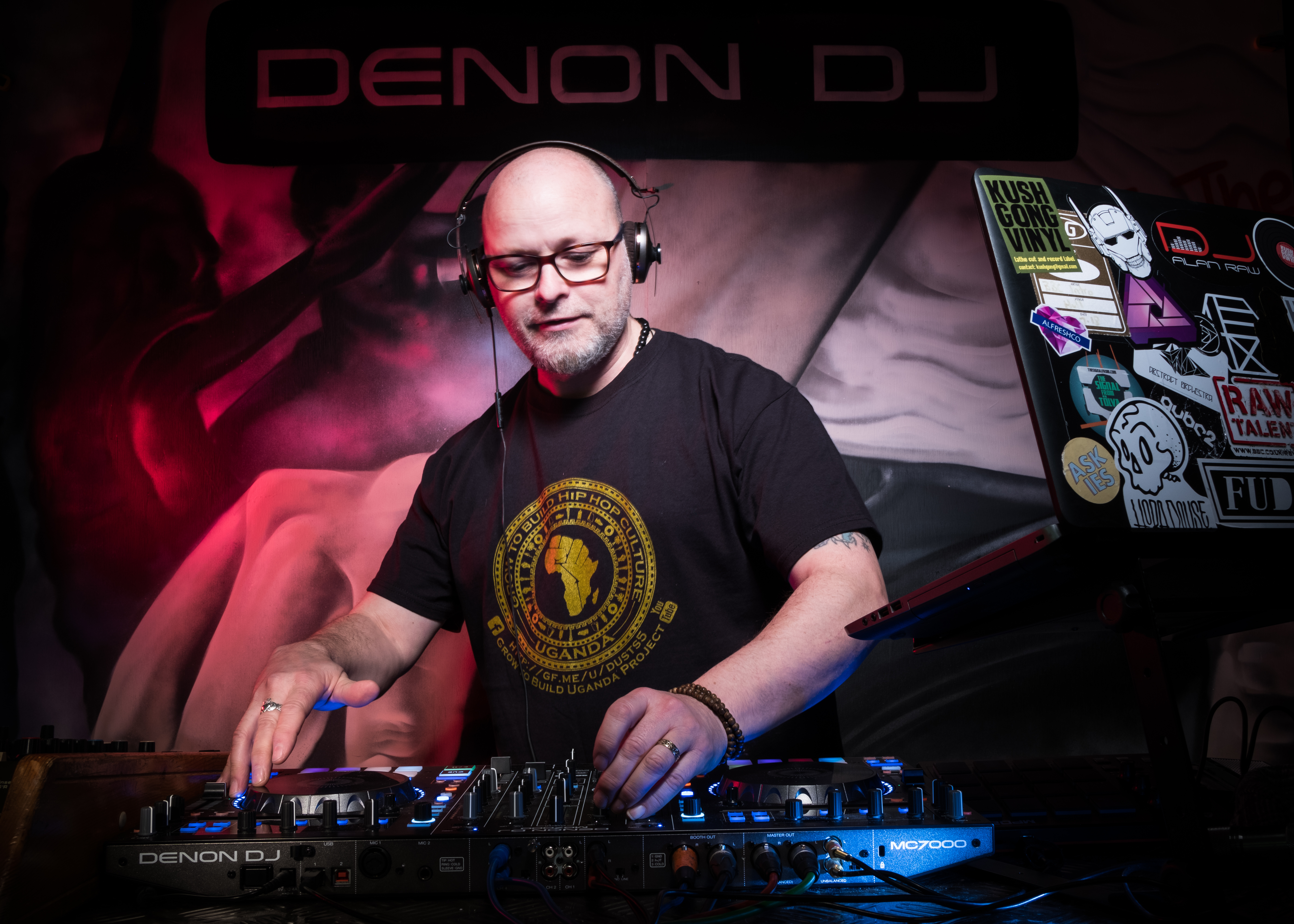
Many exhibitions ended the same way: Raw DJed, turning gallery events into full community evenings with art, music, food and people together.
BBC, Leeds Festival, BBC Introducing
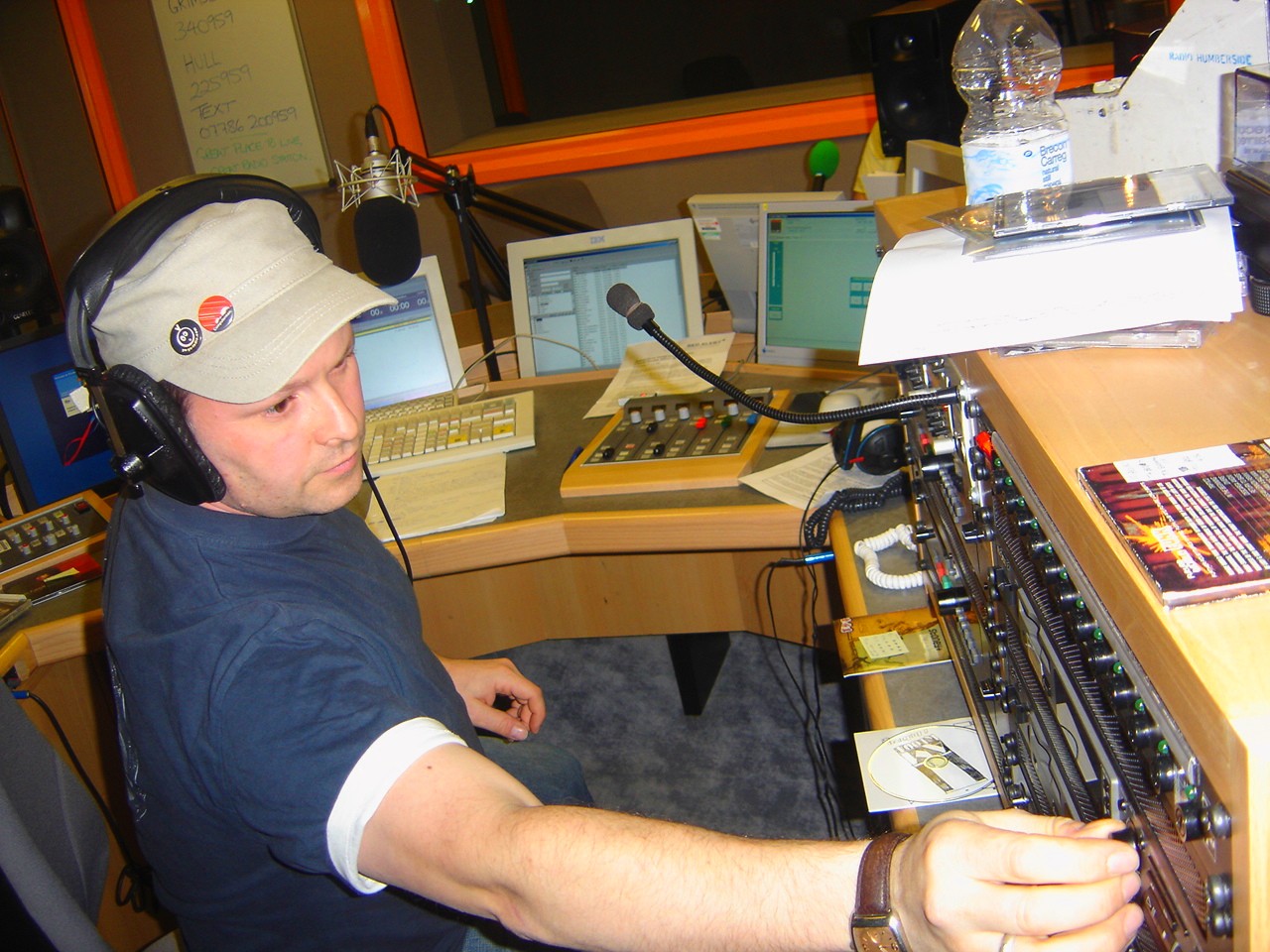
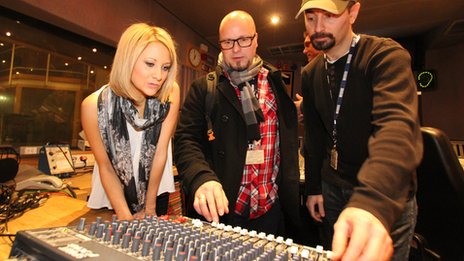
Between 2002 and 2023, Raw worked as a BBC Radio DJ, presenter, producer, sound engineer, music photographer and journalist. He presented the unsigned music stage at Leeds Festival for 17 years, co-founded what became BBC Introducing, and hosted over 2,000 live sessions. Among the many artists featured during that period were Pulled Apart By Horses, Elbow, Florence & The Machine, Ed Sheeran and Yungblud, who Raw was first to feature in a live radio session.
That broadcasting career is documented separately on the BBC Broadcasting page. What matters here is that it ran alongside the community practice throughout: the disused shops, exhibitions, recording studios and sound curation were the background to it for over two decades. The BBC work was one frequency of a much broader signal. The income it generated funded the community arts work.
Loosetriggers
In 2020, Raw retired from gigging. Arthritis changed what was physically possible. The knowledge, love of sound and solarpunk rebelliousness did not retire with it.
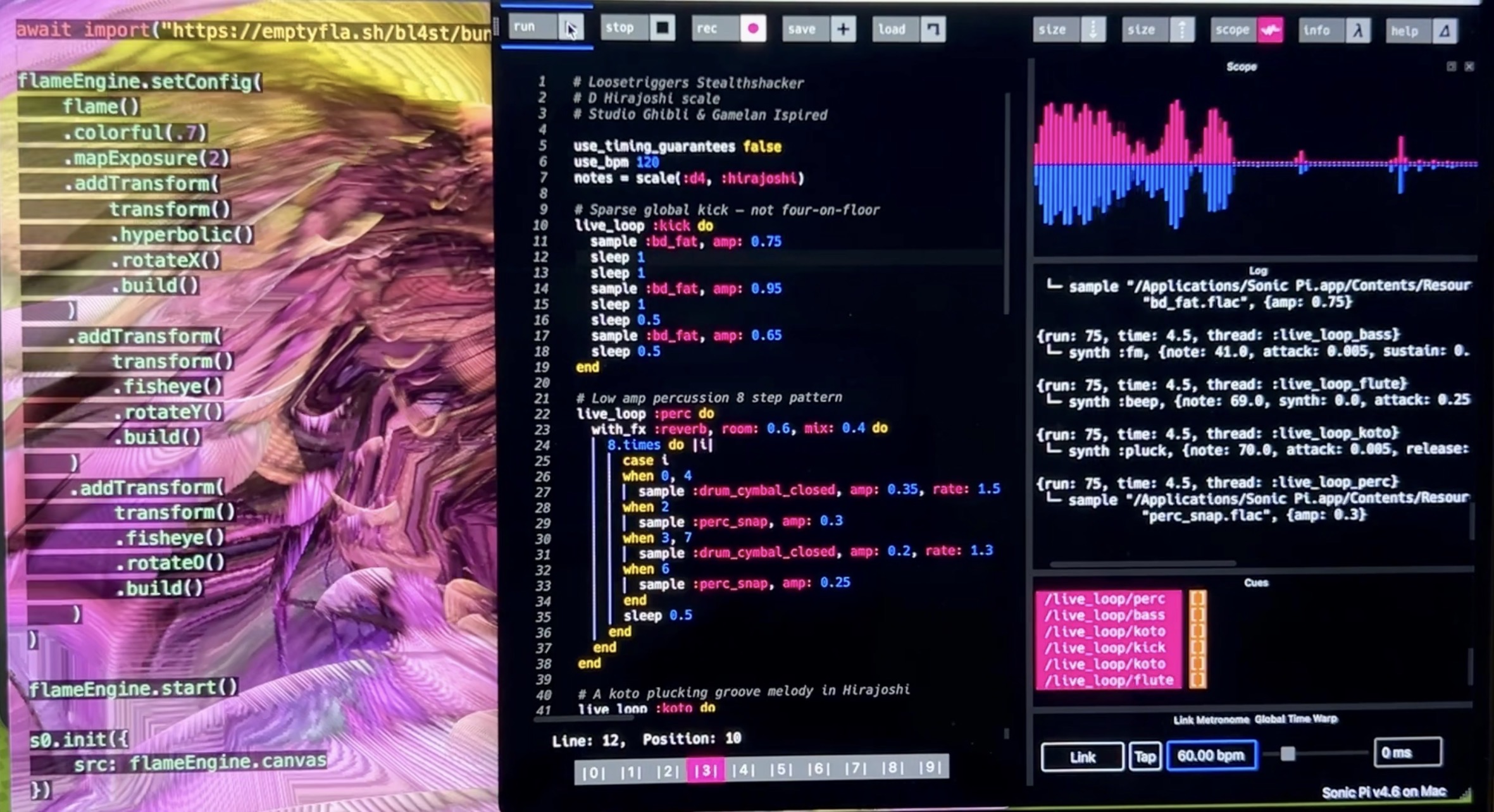
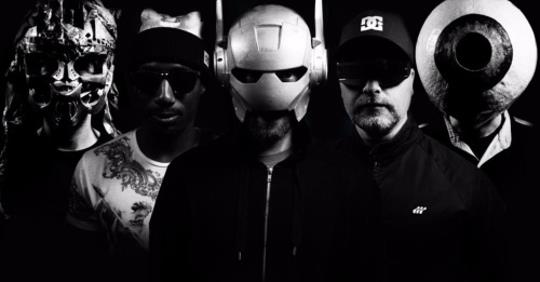
The practice is now called Loosetriggers, a name used for electronic music when anonymity felt useful. It uses Raw’s own coded software, and Sonic Pi, an open-source live coding environment originally developed for music education, to write and perform generative music in real time. The sound draws on recordings gathered across years, from the Humber Estuary to Berlin and many places between, processed through a portable, solar-charged, battery-powered rig that operates off-grid.
The aesthetic is place-based: the Humber region and its Yorkshire coast, its erosion rates, tidal rhythms, big sky, wind farms, the particular quality of light on industry.
The circuit bending of 1992 and the software coding of today are the same practice. The Hull Sea Dragon and the hirajoshi scale in Sonic Pi are the same instinct. Sound and image in dialogue, built with what is available.
Loosetriggers is on Instagram at instagram.com/loosetriggers.
Where the Practice Is Heading
Following a session with spatial audio practitioner Nikki Sheth in May 2026, facilitated by the Make Happen Institute, the work is developing toward 8-channel spatial audio installations using unusual microphones, a Zoom H5 recorder, a variable-speed cassette recorder and a hydrophone for simultaneous capture above and below the water surface. All passed through his RAW SAS-1 (Sound Art Studio). Expect immersive soundscapes, supporting visuals and stories.